Banksy Artworks Drain Public Funds: £150,000 Bill
Banksy artworks cost taxpayers nearly £150,000 according to FOI requests. Discover how street art maintenance expenses continue rising across UK public spaces.
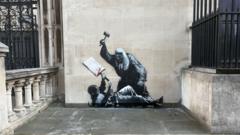
Banksy Artworks Drain Public Funds: Latest Financial Revelations
Recent freedom of information requests have exposed the substantial financial burden that Banksy artworks cost public institutions across the United Kingdom. The cumulative expenses related to these famous street artworks have reached nearly £150,000, with figures continuing to escalate as municipalities grapple with maintenance, protection, and removal decisions.
Understanding the Scope of Banksy Artworks Costs
The investigation into Banksy artworks expenses reveals a complex financial landscape. Local authorities and public bodies have invested significant resources in managing these pieces, whether through preservation efforts, vandalism repairs, or protective measures. The £150,000 figure represents only documented expenses collected through official channels, suggesting the true cost may be even higher when accounting for staff time and administrative overhead.
Breaking Down Where Funds Are Allocated
Expenditures related to Banksy artworks fall into several categories. Protection and preservation constitute major cost drivers, as councils implement barriers, surveillance systems, and specialized cleaning to maintain these valuable artworks. Meanwhile, removal and restoration efforts add additional layers of complexity, particularly when attempting to preserve pieces deemed culturally significant while respecting property rights.
FOI Requests Expose Hidden Expenditures
Freedom of information requests have proven instrumental in uncovering these financial realities. Several UK local authorities have disclosed spending records that document the true price of managing Banksy artworks on public and private property. These revelations demonstrate that what appears as free public art carries substantial hidden costs that taxpayers ultimately bear.
Regional Variations in Spending Patterns
Different regions demonstrate varying approaches and expenditure levels regarding Banksy artworks. Urban centers with multiple pieces face proportionally higher costs, while smaller municipalities with isolated works still incur unexpected expenses. The variation in spending reflects different preservation philosophies, from proactive protection strategies to reactive response measures.
Rising Costs Create Budget Pressures
Perhaps most concerning is the trajectory of these expenses. As Banksy artworks gain international recognition and commercial value, authorities face mounting pressure to maintain and protect them. This paradoxically increases the costs associated with their presence, creating a cycle where the value of the art drives up public spending. Councils already stretched thin financially must allocate budgetary resources to manage these pieces, often at the expense of other community services.
The Commercial Value Paradox
The increasing market value of Banksy artworks creates unusual circumstances. As certain pieces appreciate in worth, property owners and municipalities debate whether preservation is a public responsibility or a private investment concern. This ambiguity has resulted in inconsistent spending patterns and has raised questions about the fairness of taxpayer-funded protection for potentially valuable assets.
Implications for Future Public Art Management
The financial burden of Banksy artworks cost public budgets raises important questions about how societies should manage urban art. Should taxpayers subsidize the maintenance of street art, regardless of artistic merit? Should commercial interests bear the costs of protecting valuable artworks? These questions remain contentious as expenses continue rising.
Local authorities increasingly recognize that establishing clear policies regarding Banksy artworks becomes essential for financial planning. Without standardized approaches, costs remain unpredictable and potentially burdensome for already constrained budgets.
Conclusion: A Growing Financial Challenge
The revelation that Banksy artworks cost nearly £150,000 in public funds highlights an emerging challenge in urban art management. As these pieces appreciate in cultural and commercial value, the financial implications become increasingly significant. Continued monitoring through freedom of information requests ensures public accountability and transparency regarding how taxpayer money is spent managing these iconic works of street art.