EU Seeks Closest Relationship with UK After Brexit Reset Deal
European Council President confirms EU remains open to strengthening UK relations following major Brexit reset agreement. Economic growth projected at 0.5% GDP impact.
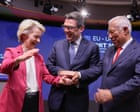
EU Commits to Strengthening Post-Brexit Relations
The President of the European Council has reiterated that the EU "remains open to have the closest possible relationship" with the United Kingdom following the successful completion of a comprehensive Brexit reset deal. This significant milestone marks a turning point in EU-UK relations, signaling both sides' commitment to rebuilding ties after years of contentious negotiations and uncertainty regarding their future partnership framework.
The Brexit reset deal represents a carefully negotiated agreement that addresses multiple dimensions of the relationship between the European Union and the United Kingdom. Senior officials from both parties have worked extensively to find common ground on complex issues that have dominated discussions since the original Brexit referendum.
Strategic Negotiations on Tuition Fees and Trade
According to sources within European diplomatic circles, the EU has implemented a strategic approach by making today's reset deal contingent on a further agreement concerning tuition fee levels for EU citizens. This tactic has been designed to neutralize potential leverage that London might obtain during the next six-month negotiation period, effectively maintaining balance in future discussions between the two parties.
Senior diplomats confirmed earlier this week that the European Union would defer the agreement on tuition fee levels for an additional six months. This deferral was specifically intended to provide the United Kingdom with leverage in parallel negotiations aimed at securing UK inclusion in Made in Europe legislation, a comprehensive framework designed to protect European Union supply chains against competitive pressures from China and other non-European manufacturers.
However, by making the food and drink agreement similarly contingent upon resolving the tuition fees issue, EU negotiators have effectively sought to counterbalance any negotiating advantage the UK might otherwise gain through today's agreement. This multilayered approach demonstrates the complexity and interconnected nature of modern trade and diplomatic relations between former partners.
EU's Hardline Negotiating Position
The negotiations have revealed what observers describe as serious diplomatic chess, illustrating the European Union's willingness to express warm rhetoric about the United Kingdom publicly while simultaneously employing firm negotiating tactics when conceding specific points to its former member state. This dual-track approach underscores the fundamental tension between maintaining cordiality and protecting EU interests.
France has been particularly vocal in asserting EU positions, specifically insisting that the United Kingdom cannot retain voting rights on legislation pertaining to food and drink matters. This French stance reflects broader European concerns about preserving decision-making authority within EU institutions and preventing external influence from non-member states on internal regulatory matters.
Economic Impact and Growth Projections
During discussions with business representatives in Brussels, Prime Minister Burnham outlined the anticipated economic benefits of the newly negotiated EU deal, stating that the agreement would contribute approximately 0.5% to the United Kingdom's gross domestic product. This economic analysis provides concrete evidence of the deal's value to the British economy and demonstrates tangible returns from successful diplomatic negotiations.
Burnham characterized the agreement as "a really good deal," emphasizing that negotiations have substantially concluded. He further highlighted Treasury analysis released on the day of the agreement, confirming that the arrangement would generate growth equivalent to 0.5% of GDP, positioning it as the single largest growth intervention undertaken by the current Parliament.
Looking Forward: Partnership and Pragmatism
The Brexit reset deal signals a new phase in UK-EU relations characterized by pragmatic engagement and mutual recognition of interdependence. While disagreements remain on specific issues such as voting rights and regulatory frameworks, both parties have demonstrated willingness to pursue structured dialogue and negotiated settlements rather than confrontation.
The agreement reflects evolved understanding on both sides regarding the necessity of maintaining stable, predictable relations despite fundamental differences in political structure and governance models. The European Union's commitment to pursuing "the closest possible relationship" with the United Kingdom suggests recognition that cooperation serves mutual interests more effectively than prolonged discord.
As negotiations continue regarding remaining contentious issues, the successful completion of this reset deal provides a foundation for more productive engagement. The agreement's economic benefits, combined with both parties' stated commitment to strengthening relations, offer grounds for cautious optimism about the trajectory of UK-EU relations in coming years.