Holborn and St Pancras Byelection: Labour's Challenge Amid Green Competition
Polls close in Holborn and St Pancras byelection. Labour seeks to retain Starmer's seat against Green candidate Zack Polanski in crucial north London contest.
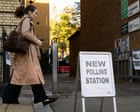
Voting Concludes in High-Stakes Holborn and St Pancras Byelection
The Holborn and St Pancras byelection has reached its conclusion as polling stations close, marking a pivotal moment for the Labour party's political standing in a traditionally progressive London constituency. This Holborn and St Pancras byelection represents far more than a routine electoral exercise—it stands as a significant barometer of Labour's capacity to consolidate support among its core voter base while fending off challenges from rival progressive candidates.
The contest has emerged as a critical test of leadership resilience and party unity, particularly regarding Andy Burnham's influence within Labour's internal structure. The election unfolds against the backdrop of intensifying competition from the Green party, whose candidate Zack Polanski has mobilized substantial grassroots support among voters concerned about environmental policy and progressive social issues.
The Labour Legacy in North London
Labour enters this Holborn and St Pancras byelection from a position of established dominance in the constituency. The seat previously represented by Sir Keir Starmer during the 2024 general election saw Labour secure an commanding victory, with the party capturing more than 11,000 votes above its nearest competitor. This substantial margin had suggested the seat would remain a safe Labour stronghold for the foreseeable future.
However, the dynamics of a byelection differ fundamentally from general election contests. Reduced turnout, heightened voter engagement with alternative candidates, and shifting political priorities have created unexpected opportunities for challengers to establish meaningful footholds in constituencies previously considered impregnable.
Green Party's Strategic Challenge to Labour
Zack Polanski's campaign represents the Green party's most ambitious attempt to capture seats in affluent London constituencies where environmental consciousness runs particularly deep. The Holborn and St Pancras byelection has attracted significant Green party resources and volunteer mobilization, reflecting the organization's recognition of this seat's symbolic and practical importance.
The Green candidate's platform emphasizes climate action, housing affordability, and progressive taxation—themes that resonate powerfully among the constituency's predominantly educated, younger demographic. These policy priorities directly compete with Labour's traditional messaging, creating genuine uncertainty about which party can better claim the progressive mantle.
Andy Burnham's Role and Party Unity
Andy Burnham's prominence in this Holborn and St Pancras byelection campaign underscores Labour's determination to project leadership strength and party cohesion. As a major figure within the Labour establishment, Burnham's involvement signals the party's recognition of the stakes involved and its commitment to mobilizing party machinery at the highest levels.
The Manchester mayor's participation addresses a broader Labour concern: whether the party can maintain unity across its ideological spectrum while accommodating voices from both its centrist and progressive wings. The Holborn and St Pancras byelection serves as a referendum on this critical question, with implications extending far beyond this single north London seat.
Electoral Implications and Future Outlook
The outcome of this Holborn and St Pancras byelection will likely influence Labour's strategic approach to future elections and campaign messaging. Should Labour retain comfortable margins, it would validate the party's current political positioning and suggest that concerns about Green party encroachment remain manageable. Conversely, a reduced majority or unexpected result would prompt soul-searching about Labour's appeal to progressive voters and its ability to compete effectively against environmental and social justice-focused challengers.
Byelections frequently presage broader electoral trends, and observers across the political spectrum view this Holborn and St Pancras byelection as potentially indicative of shifting voter preferences in affluent urban constituencies that have long formed Labour's electoral foundation.
Voter Engagement and Turnout Questions
The Holborn and St Pancras byelection has generated considerable interest among political analysts who scrutinize turnout figures as key indicators of voter motivation. Byelection participation rates typically fall substantially below general election levels, yet this contest's competitive nature between Labour and the Greens may have energized core supporters from both parties.
Understanding who actually voted and in what numbers will provide crucial context for interpreting results and predicting future electoral behavior in similar constituencies across the United Kingdom.