Jackdaw Gasfield Approval Sparks Climate Vandalism Outcry
Climate activists condemn UK government's Jackdaw gasfield approval, warning it threatens climate targets. Rosebank oilfield faces potential rejection amid energy crisis debate.
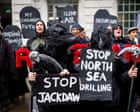
Jackdaw Gasfield Approval Condemned by Environmental Groups
Environmental organizations have sharply criticized the United Kingdom government's decision to greenlight the Jackdaw gasfield project, citing significant concerns about its impact on national climate objectives. The Jackdaw gasfield approval represents a controversial policy move that has divided stakeholders across the energy and environmental sectors, with climate advocates arguing that the decision undermines the nation's commitment to reducing carbon emissions and meeting international climate agreements.
The approval has been met with fierce resistance from climate campaigners who contend that expanding fossil fuel extraction contradicts the government's stated environmental policies and long-term sustainability goals. Environmental groups assert that the Jackdaw gasfield development will accelerate carbon emissions at a time when the UK should be prioritizing renewable energy infrastructure and transitioning away from hydrocarbon dependence.
Impact on Energy Bills and Cost of Living Crisis
Opponents of the Jackdaw gasfield approval argue that the project fails to address the pressing cost of living crisis currently affecting British households. Critics highlight that expanding domestic gas production will not meaningfully reduce energy bills for consumers, as international market forces and wholesale pricing mechanisms determine UK energy costs rather than domestic supply levels alone.
The decision to allow drilling at the Jackdaw gasfield comes at a time when families across the nation struggle with unprecedented energy expenses. Climate activists contend that government resources should instead be directed toward renewable energy development, energy efficiency programs, and support measures for vulnerable households, rather than subsidizing further fossil fuel extraction infrastructure.
Climate Targets at Risk
Environmental experts warn that the Jackdaw gasfield approval represents a significant setback for Britain's climate commitments. The project, critics argue, contradicts the legally binding climate change targets established under the Climate Change Act, which mandates substantial emissions reductions across all sectors of the economy.
Campaigners emphasize that the Jackdaw gasfield development will lock the UK into long-term fossil fuel dependency when transition pathways toward net-zero emissions require accelerated investment in clean energy alternatives. They contend that approving new gasfields sends contradictory policy signals and potentially violates the spirit of international climate agreements, including commitments made at recent COP negotiations.
Rosebank Oilfield Faces Uncertain Future
Contrasting with the Jackdaw gasfield approval, the much larger Rosebank oilfield project appears poised for a different outcome. Energy Secretary Miatta Fahnbulleh has reportedly indicated a preference toward rejecting authorization for the Rosebank development, signaling a potential victory for environmental advocates who have campaigned extensively against the initiative.
The Rosebank oilfield represents one of Europe's largest undeveloped oil reserves, with estimated production capacity significantly exceeding the Jackdaw gasfield. A decision to reject the Rosebank project would demonstrate responsiveness to climate concerns and could represent a meaningful policy shift in government energy strategy, particularly given the contradictory messaging surrounding the simultaneous Jackdaw gasfield approval.
Political Divisions and Policy Uncertainty
The contrasting approaches toward the Jackdaw gasfield and Rosebank oilfield reflect ongoing tensions within government regarding energy policy direction and climate responsibility. The Jackdaw gasfield approval suggests certain government factions prioritize domestic energy security and economic considerations, while potential Rosebank rejection indicates influence from policymakers emphasizing environmental protection.
Energy Secretary Fahnbulleh's apparent leaning against Rosebank authorization suggests evolving political calculations regarding climate politics and international environmental commitments. However, the Jackdaw gasfield decision demonstrates that approval remains possible for projects deemed strategically important to government energy objectives, complicating the policy landscape for investors and environmental stakeholders alike.
Climate Activist Response and Future Outlook
Environmental groups have vowed to intensify campaigns opposing fossil fuel expansion, using the Jackdaw gasfield approval as evidence that legislative and regulatory channels require supplementation with sustained public pressure. Activists argue that the decision illustrates how current government structures fail to adequately weight climate considerations in energy policy decisions.
The contrast between the Jackdaw gasfield approval and expected Rosebank rejection suggests that public mobilization and sustained environmental advocacy can influence high-level policy decisions, particularly for projects of extraordinary scale. Climate campaigners continue mobilizing supporters and coordinating with legal experts to explore potential challenges to the Jackdaw gasfield authorization and influence the anticipated Rosebank determination.